Sputnik Med
Oncology Moscow

P. A. Herzen Moscow Oncology Research Institute Part of the National Medical Research Radiological Center

Cancer diagnosis and treatment for adults in Moscow

Surgery with reconstruction, drug therapy and radiotherapy. Doctors select a combination based on tumor type, disease stage and previous treatment

Explore specialties
Preliminary review of medical records before travel
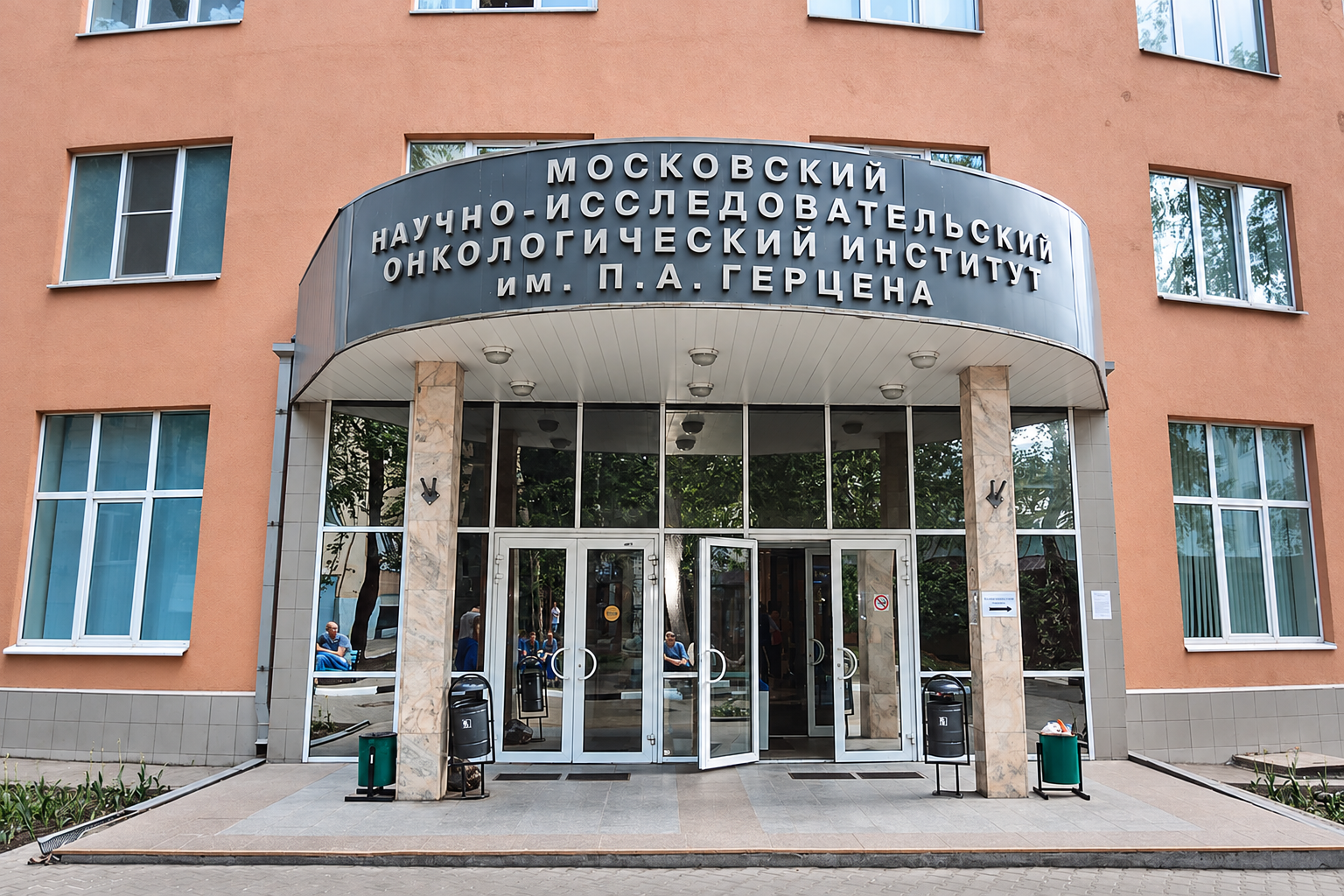
The main entrance to the P. A. Herzen Institute building
P. A. Herzen Moscow Oncology Research Institute · Moscow
01 / Introduction

About the clinic

The P. A. Herzen Moscow Oncology Research Institute is a federal cancer institute established in 1898. It is now part of the Russian Ministry of Health's National Medical Research Radiological Center and provides diagnostics, treatment and rehabilitation for adults with tumors at various sites

1898Year the institute was founded
9 000Surgical procedures per year
2 500Patients receive radiotherapy annually
10Operating rooms with advanced equipment

The institute brings together surgical oncologists, medical oncologists, radiation oncologists, pathologists and molecular diagnostics specialists. This links investigation results to treatment choices: clarifying tumor structure, assessing disease extent and determining the sequence of surgery, drug therapy and radiotherapy

A particular specialty is complex surgery combining tumor removal with reconstruction of tissues and function. The institute also considers recurrent and metastatic disease. Treatment suitability is assessed individually, considering previous therapy and the patient's general condition

02 / Medical care

Main treatment specialties

The institute treats tumors at various sites. Specialist departments address each clinical need, from endoscopic removal of selected early tumors to combined treatment for advanced disease

01
Breast oncology

Breast cancer

Breast-conserving surgery and mastectomy with immediate or delayed reconstruction. Surgery is combined with systemic treatment and radiotherapy when indicated. The approach considers tumor biology and the possibility of restoring breast shape

02
Abdominal oncology

Digestive system tumors

Treatment of esophageal, stomach, bowel, liver and pancreatic cancer. Doctors perform endoscopic, laparoscopic and open surgery, including complex procedures for locally advanced tumors. Surgery is combined with drug therapy or radiotherapy where needed

03
Thoracic oncology

Lung cancer and mediastinal tumors

Surgical and combined treatment of tumors of the lungs and chest. Thoracoscopic and lung-sparing procedures are used when indicated. Decisions consider tumor extent, respiratory function and drug therapy or radiotherapy options

04
Gynecologic oncology

Gynecologic oncology

Treatment of cervical, uterine, ovarian and other female reproductive cancers. Surgery, drug therapy and radiation are used according to the diagnosis. Organ and fertility preservation are assessed separately for patients of reproductive age

05
Urologic oncology

Urologic oncology

Treatment of prostate, kidney, bladder and other urinary and reproductive cancers. Doctors perform open and minimally invasive surgery, including organ-preserving procedures when indicated. Radiotherapy, brachytherapy and drug treatment are considered for selected patients

06
Microsurgery and reconstruction

Head and neck tumors

Removal of oral, pharyngeal and other head and neck tumors with reconstruction of defects. Microsurgical techniques restore tissues after extensive surgery. Planning considers tumor removal as well as preservation or restoration of speech, swallowing and appearance

07
Skin oncology and sarcomas

Melanoma and tumors of the skin, bone and soft tissue

Diagnosis and treatment of melanoma, skin cancer and sarcomas. For bone and soft tissue tumors, doctors assess limb-preserving removal and subsequent reconstruction. The need for drug therapy and radiotherapy depends on histological type and disease extent

08
Neuro-oncology

Brain and spinal cord tumors

Neurosurgical treatment of primary tumors and metastases in the central nervous system. Surgical feasibility and extent depend on lesion location and neurological function. Radiation methods, including CyberKnife stereotactic treatment, are used when indicated

09
Reassessing the treatment approach

Recurrence, metastases and peritoneal carcinomatosis

Assessment of treatment options after recurrence or disease spread. The institute treats peritoneal metastases; cytoreductive surgery and intraperitoneal chemotherapy, including HIPEC and PIPAC, may be considered for selected patients. These methods have strict indications, and decisions follow individual assessment

Not sure which department should review your records?

Sputnik Med's medical team will review your needs, identify any missing information and help determine the appropriate area of expertise

03 / Explore the facilities

The institute in photos

10 photos

Diagnostic departments, laboratory, radiotherapy, operating rooms and rehabilitation at the P. A. Herzen Institute

04 / The center's capabilities

The institute's capabilities for informed treatment decisions

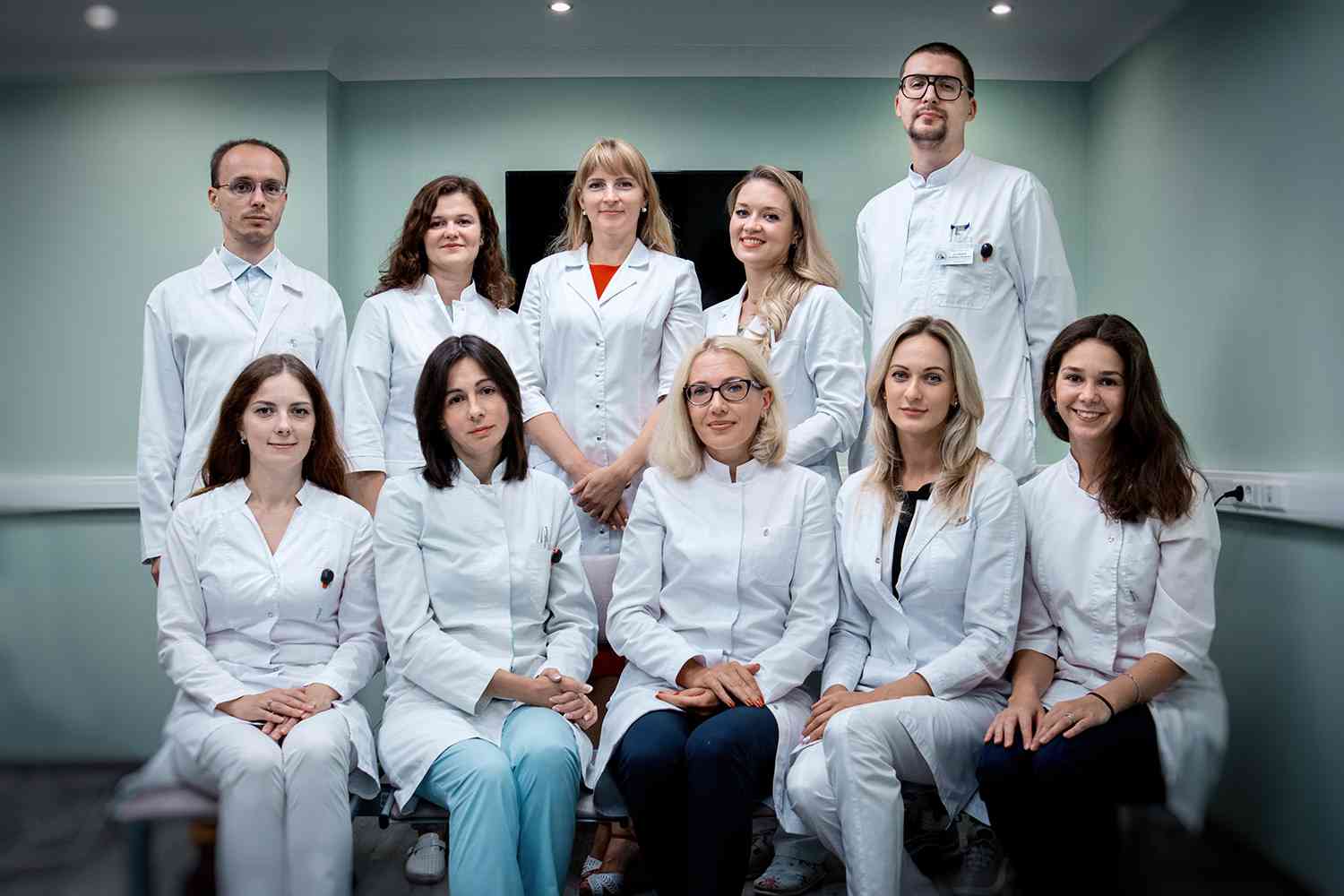
Diagnostic imaging specialists at the P. A. Herzen Institute Diagnostic imaging specialists at the P. A. Herzen Institute

In oncology, what matters is how equipment and methods are combined for the individual clinical situation. The P. A. Herzen Institute's diagnostic and treatment departments share a common task: clarifying the diagnosis, selecting an approach and guiding the patient through treatment

Clarifying the diagnosis before therapy

Pathologists examine biopsy and surgical specimens, perform immunohistochemistry and review material from other clinics. The molecular genetics laboratory performs testing including NGS, which analyzes multiple genetic alterations. These findings help clarify tumor type and establish whether particular drugs may be appropriate. CT, MRI and other investigations assess disease extent when indicated

Removing the tumor and planning reconstruction

Surgeons perform minimally invasive, organ-preserving and extensive operations. When tumor removal requires substantial tissue excision, reconstruction options are assessed in advance. The institute has expertise in head and neck microsurgery, breast reconstruction and other reconstructive procedures. Organ or functional preservation depends on tumor location and extent

Combining surgery, medication and radiation

Drug treatment includes chemotherapy, hormone therapy, targeted therapy and immunotherapy when indicated. The radiotherapy department uses external beam treatment, brachytherapy and stereotactic techniques, including CyberKnife. Doctors determine the sequence: treatment may precede surgery, complement it or be used independently

Assessing a complex case after previous treatment

For recurrence, metastases or doubts about the original plan, specialists review investigations and prior therapy. Relevant surgeons and medical oncologists jointly assess repeat surgery or changes to systemic treatment. For peritoneal carcinomatosis, specialists from the institute's dedicated center participate

Rehabilitation during and after treatment

Rehabilitation takes surgery, drug therapy and radiotherapy into account. It may include preparation for surgery, early mobilization, breathing exercises, restoration of movement and lymphedema care. The institute also offers psychological and palliative care, including pain and symptom control

05 / Personalized treatment
Innovative personalized methods

NEOONCOVAC — a personalized mRNA vaccine for melanoma treatment

The P. A. Herzen Institute uses NEOONCOVAC, a medicine manufactured individually according to the genetic characteristics of the patient's tumor. It aims to help the immune system recognize and attack tumor cells. It is being developed by the National Medical Research Radiological Center and the N. F. Gamaleya Center. Its first clinical use at the institute took place in April 2026.

Which disease and patients it is intended for

The method is currently intended for adults with cutaneous melanoma. It is considered for unresectable or metastatic disease and after surgery when all metastatic lesions have been removed. The vaccine is used with immune checkpoint inhibitor therapy.

The center's published criteria require the absence of brain metastases. Tumor tissue obtained by biopsy or surgery at the Herzen Institute is also required. Eligibility is determined by a multidisciplinary team involving the committee for individually manufactured biotechnology medicines, considering disease stage, previous therapy and investigation results.

How the medicine is manufactured

Specialists study the tumor's molecular genetic characteristics and identify its individual markers, called neoantigens. These are used to create an mRNA medicine that provides the immune system with information to recognize tumor cells. A vaccine made for one patient is therefore not suitable for another.

How treatment is administered

According to the center, manufacturing takes approximately 3–4 months. Immunotherapy is planned during this period, followed by the addition of the vaccine. The published schedule includes doses on days 1, 8 and 15, then every 21 days, up to 10 doses in total. Treating doctors approve the individual plan.

What is known about outcomes

In September 2026, Andrey Kaprin, head of the National Medical Research Radiological Center, reported that the first patient had completed the course with a “fairly good result.” Suitability and expected benefit are assessed for each patient.

Submit records for assessment
06 / Your next step

How to access care at the clinic

You can start with a medical assessment before traveling to Moscow, receive specific feedback and plan your next steps on the basis of your medical records

  1. 1

    Submit medical records

    A patient services manager will clarify your request and explain which reports, images and investigation results to prepare. Sputnik Med’s medical team will conduct a preliminary review

  2. 2

    Obtain a specialist assessment

    We will arrange a review by the clinic’s specialists. If the records require a more detailed assessment, we will help arrange an online consultation. The format, cost and timing will be agreed in advance

  3. 3

    Agree on treatment and travel arrangements

    We will help clarify the investigation and treatment program, preliminary estimate and next steps. If travel is needed, we will coordinate dates, interpreting, accommodation and visa support where required

Medical decisions are made by the clinic’s doctor. Sputnik Med provides access to specialist expertise, helps arrange consultations and supports further treatment

07 / Before you contact us

Frequently asked questions

08 / Contact us

Start with your medical question

Describe your situation and attach your medical records if you have them. A Sputnik Med patient services manager will help arrange a preliminary review and, where needed, a consultation with an appropriate specialist

Info@sputnik-med.com

P. A. Herzen Moscow Oncology Research Institute
Moscow, 3 2nd Botkinsky Passage; outpatient clinic: Moscow, 6 Pogodinskaya Street, Building 1
The building and appointment time will be confirmed when booking

Discuss treatment

Prepare a short message for a patient services manager

Before sending, you can check the message and choose WhatsApp or email